
The Apiboo blog.
Guides and deep dives on API clients, API testing and developer workflows — from the team building Apiboo.
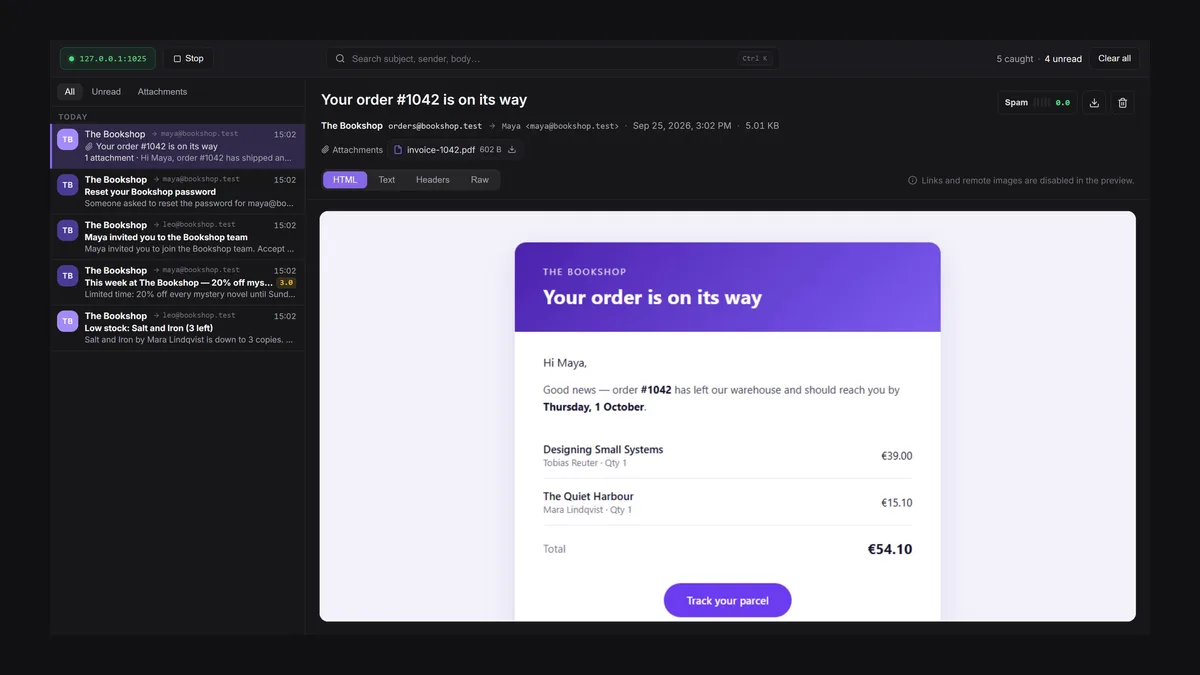
MailHog alternative: catch dev emails without Docker
MailHog has not seen a release in years. What to use instead for catching password resets and order confirmations in development: Mailpit, or the mail catcher built into Apiboo, with no Docker and no extra process.
Read the post →
Give Claude Code your tasks and docs via MCP (without giving it your secrets)
Coding agents know your code and nothing about your project. How a local MCP server hands Claude Code your boards, docs and requests, keeps every secret out of reach, and the setup for Claude Code, Claude Desktop, Cursor and Codex.
Read the post →
Obsidian for software teams: Markdown docs and boards in your Git repo
Obsidian is wonderful for one person. For a dev team, sharing a vault gets awkward fast. What docs-as-code should look like, and how Apiboo keeps docs and tasks as Markdown next to the API they describe.
Read the post →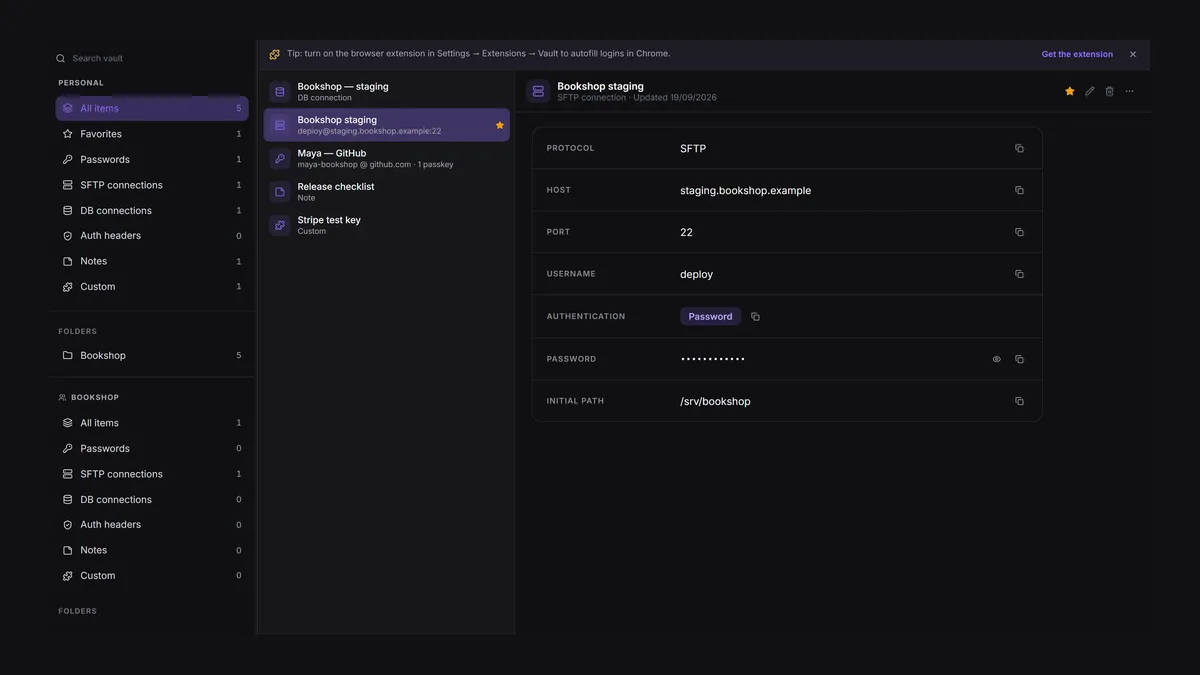
30,000 leaked Postman workspaces: how to keep tokens out of your collections
How API keys end up inside collections, what the CloudSEK findings showed, and the three habits that keep secrets out: references not values, secrets scripts cannot read, and a check before every commit.
Read the post →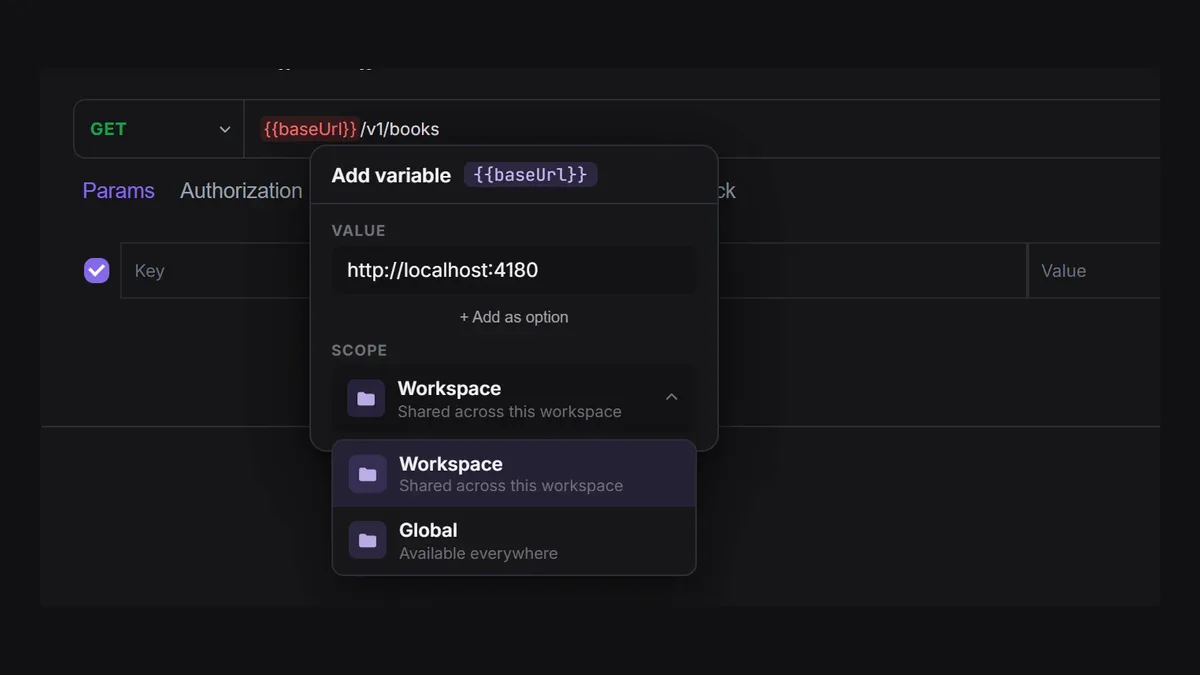
How to move a Postman workspace without losing anything
The complete checklist for moving a Postman workspace: what to export, what comes across on import, which pm.* calls run unchanged, how to fix the rest, and how to verify.
Read the post →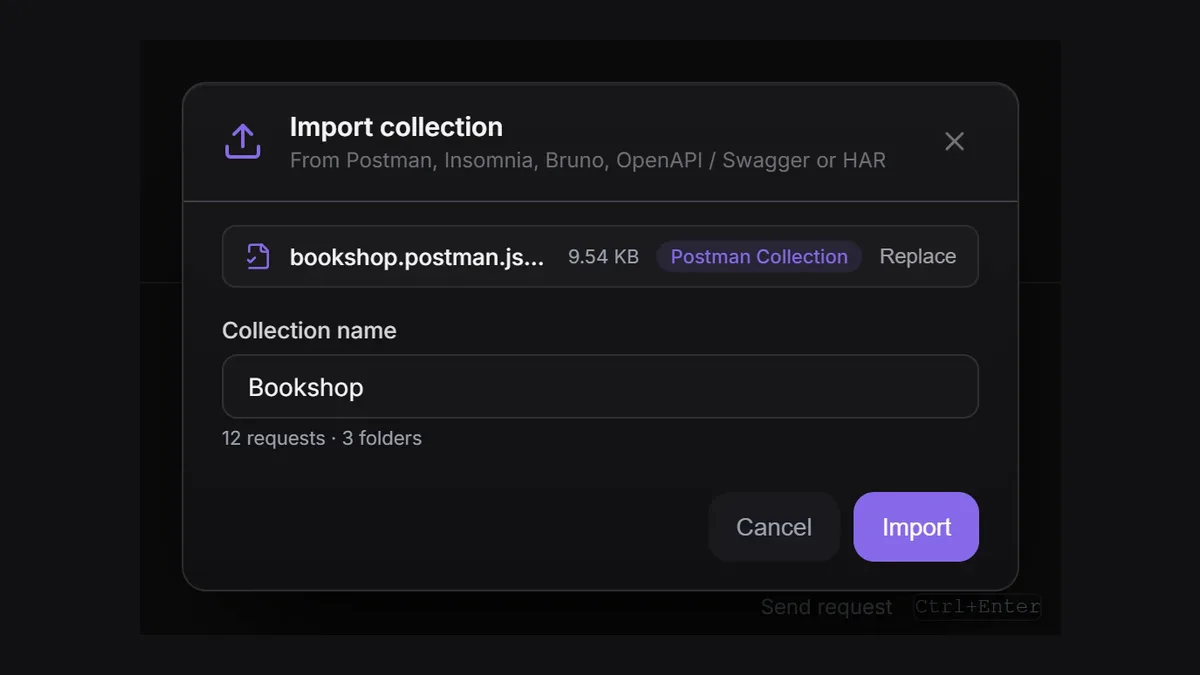
Postman’s Free plan is now one user: what small teams can do before renewal
What changed in Postman’s plans in March 2026, what a team of 3, 5 or 10 now pays, and the three realistic options (pay, go solo, switch) with an export checklist.
Read the post →
API collections in Git: version your requests, docs and tasks in your own repo
Why your API collections belong in Git, what a good repo layout looks like, how the popular clients handle it, and how Apiboo puts requests, docs and tasks in the same repo.
Read the post →
Postman alternatives in 2026: what to switch to, and what it costs
The honest shortlist of Postman alternatives in 2026 — with a comparison table, what each costs a team, and how to move your collections in an afternoon.
Read the post →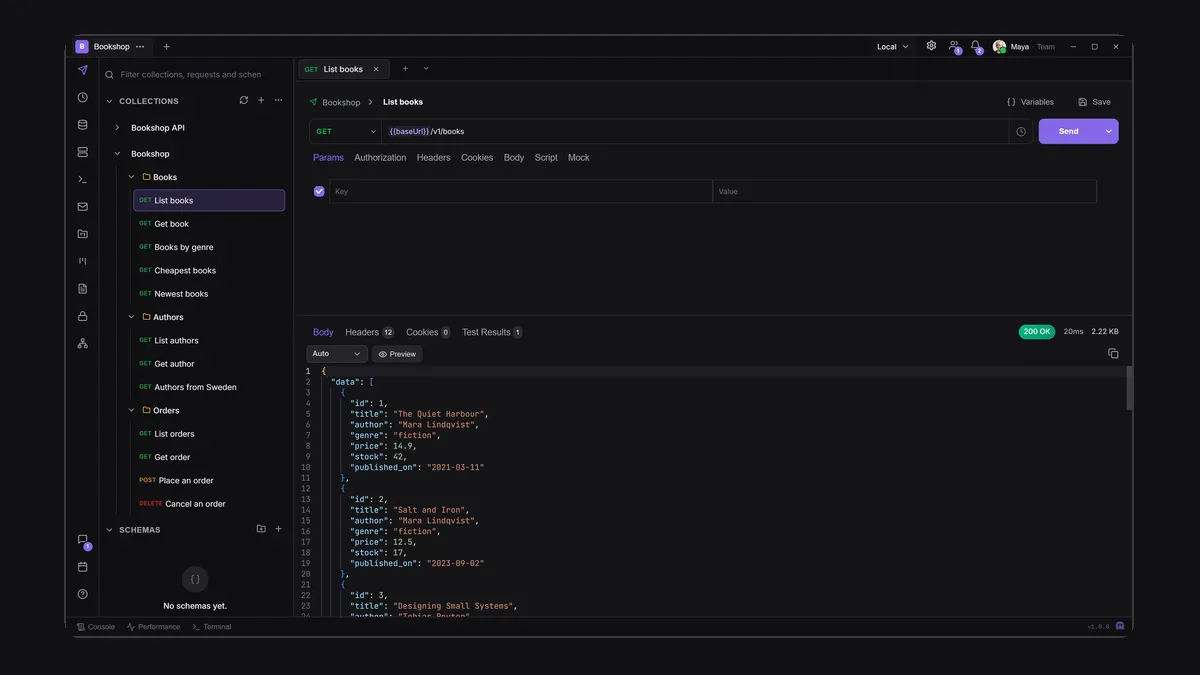
The all-in-one developer workspace: replacing five tabs with one local-first app
Most developers run an API client, a database GUI, an SSH client, a chat app and a task board side by side. What changes when they are one app — and when they should not be.
Read the post →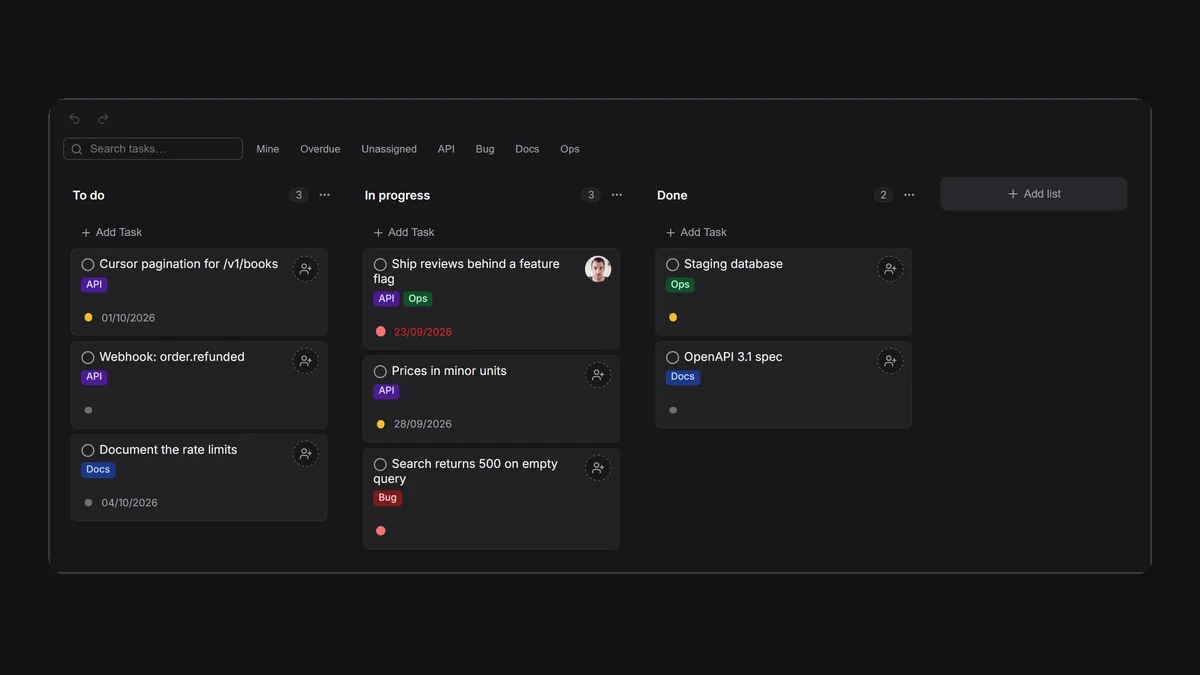
Kanban boards for developers: Jira and Trello alternatives for small teams (2026)
How developers actually use a kanban board, which Jira and Trello alternatives suit a small team, and why a board next to your API work (and your AI agents) helps.
Read the post →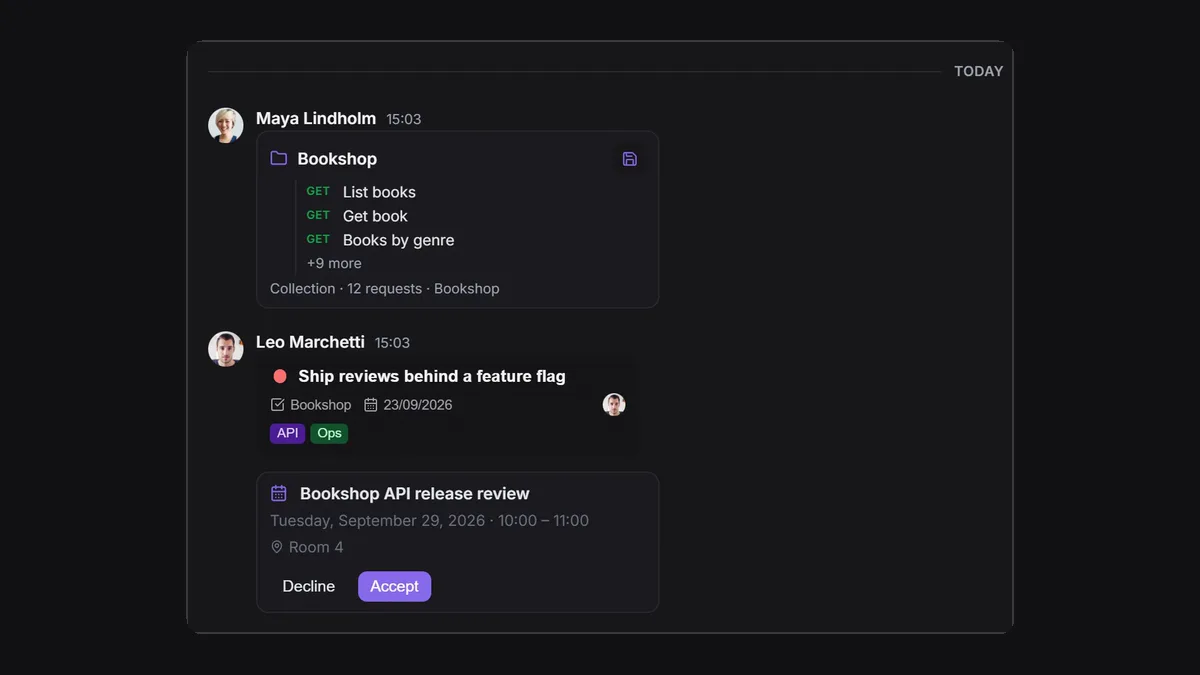
Slack alternatives for dev teams in 2026: chat that lives next to your code and APIs
Why dev teams outgrow Slack’s free plan, the open-source options worth self-hosting, and what changes when chat sits in the same app as your requests and tasks.
Read the post →
Yaak vs Bruno (2026): two local-first API clients, compared fairly
Yaak and Bruno both keep your collections on your machine. The differences are in the licence for work use, the file format and the Git workflow.
Read the post →
Postman vs Insomnia vs Bruno (2026): which API client fits your team?
The three most-compared API clients side by side in 2026 — cloud, per-project storage or Git — with a short Bruno vs Insomnia section and a verdict per team type.
Read the post →
What is an API client? A plain-language guide for 2026
A beginner-friendly answer: what an API client is, what “client API” and “client-side API” mean, and how it compares with curl, IDE plugins and the browser.
Read the post →
The best REST API clients in 2026: seven tools, compared honestly
Seven API clients developers actually shortlist in 2026, what each one is best at, and a decision matrix to pick yours in five minutes.
Read the post →